Last updated:
Ice Dam Prevention and Roof Ventilation in Newington CT
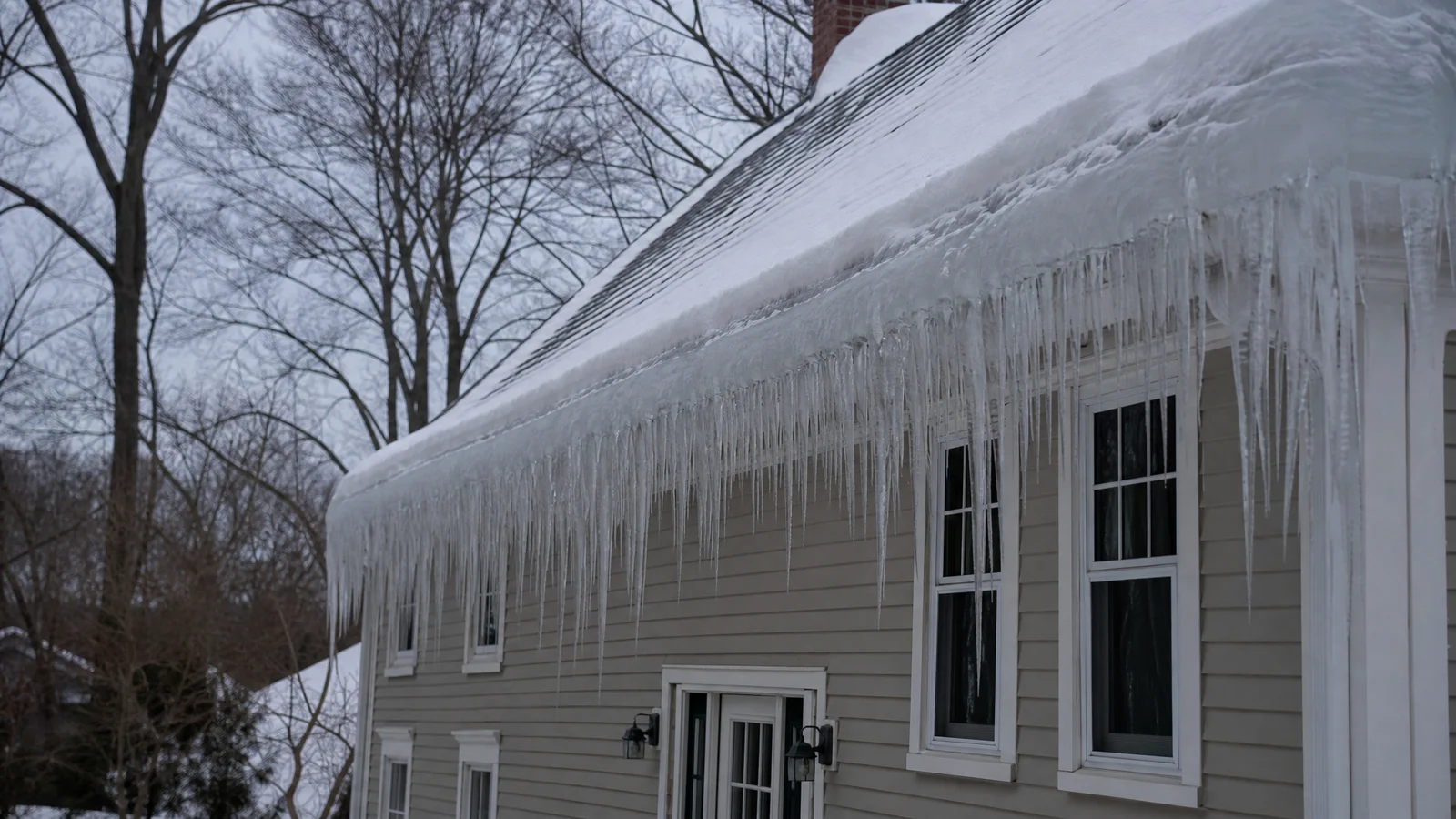
Have you ever looked out your window on a freezing February morning and noticed giant icicles hanging from your gutters? Those picturesque icicles are often the first warning sign of a costly problem hiding right above your ceiling.
We see this happening all over Hartford County every winter. The fix is not taking a hammer to your shingles in the freezing cold.
Instead, the real solution starts with simply cooling down your attic deck.
Ice dams form when a very specific temperature trap happens.
Our team knows this warm air melts the snow resting on the upper parts of your roof. Water then trickles down until it hits the freezing cold overhang at the edge of your gutters.
Suddenly, that runoff refreezes into a solid block of ice.
We have watched this exact cycle force trapped water backward, pushing it under the shingles and straight into the home. When that moisture ruins drywall and insulation, moderate interior water repairs average around $3,000 in the US right now.
“A properly insulated and ventilated roof is the single best defense against expensive winter water damage.”
We stop this destructive winter cycle by balancing your attic ventilation and upgrading your insulation to proper Connecticut standards. For our region, energy experts recommend hitting an R-value of at least R-49 using blown-in cellulose or closed-cell spray foam.
This keeps your expensive heating air in your living room and out of your attic.
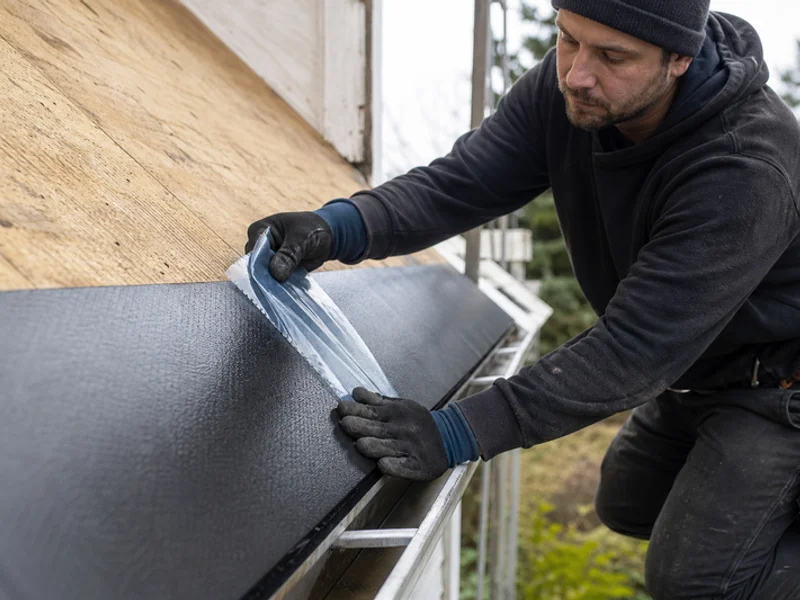
Our roofing specialists also seal vulnerable edges with premium underlayments, like Owens Corning WeatherLock Self-Sealing Ice and Water Barrier. This gives your eaves and roof valleys an extra layer of waterproofing where snow naturally piles up.
Grab a cup of coffee, and let’s go through the exact steps together so you know what to expect.
What Our Ice Dam and Ventilation Repair Includes
Every home requires a specific approach to stop winter leaks. Fixing the root cause means addressing both the airflow and the physical barriers on your roof.
We start every project by doing a complete calculation of your current attic environment. A healthy system requires a perfect balance of intake air at the bottom and exhaust air at the top.
Here is exactly what you get when you hire us for this service:
- Measure current intake vs. exhaust and identify the imbalance
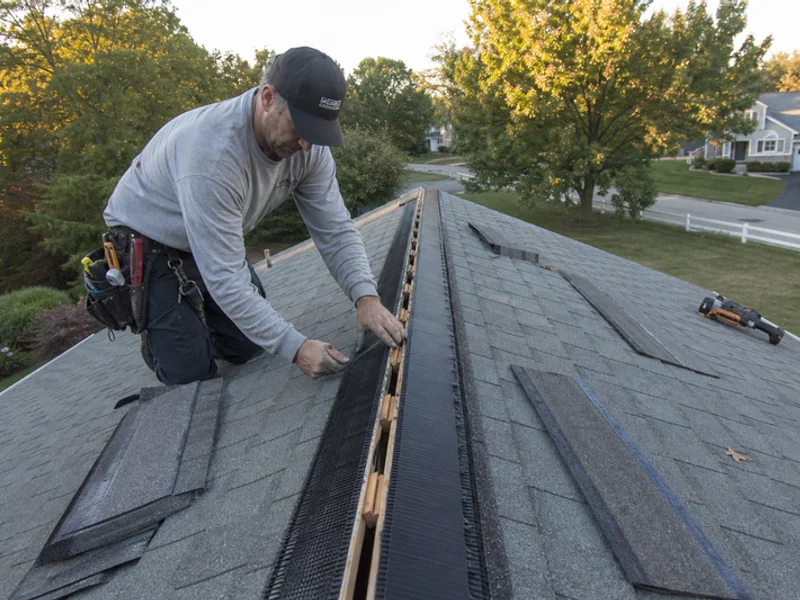
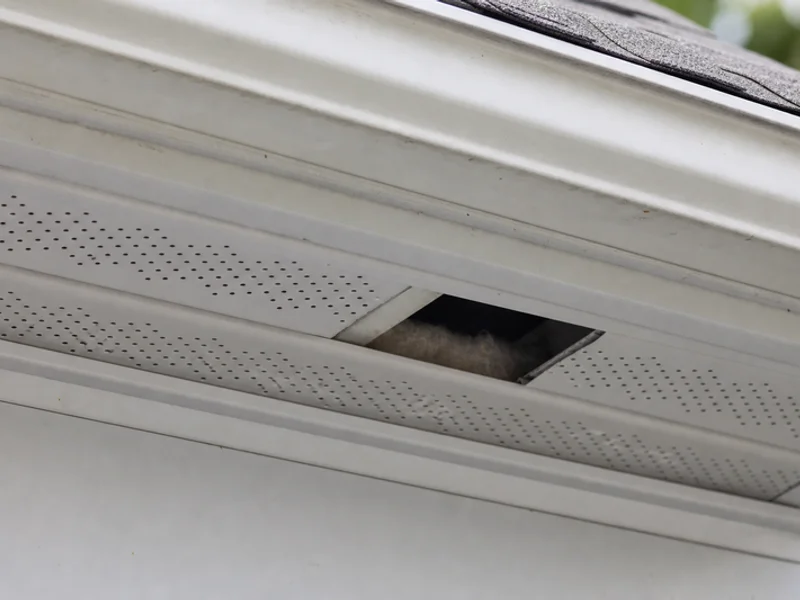
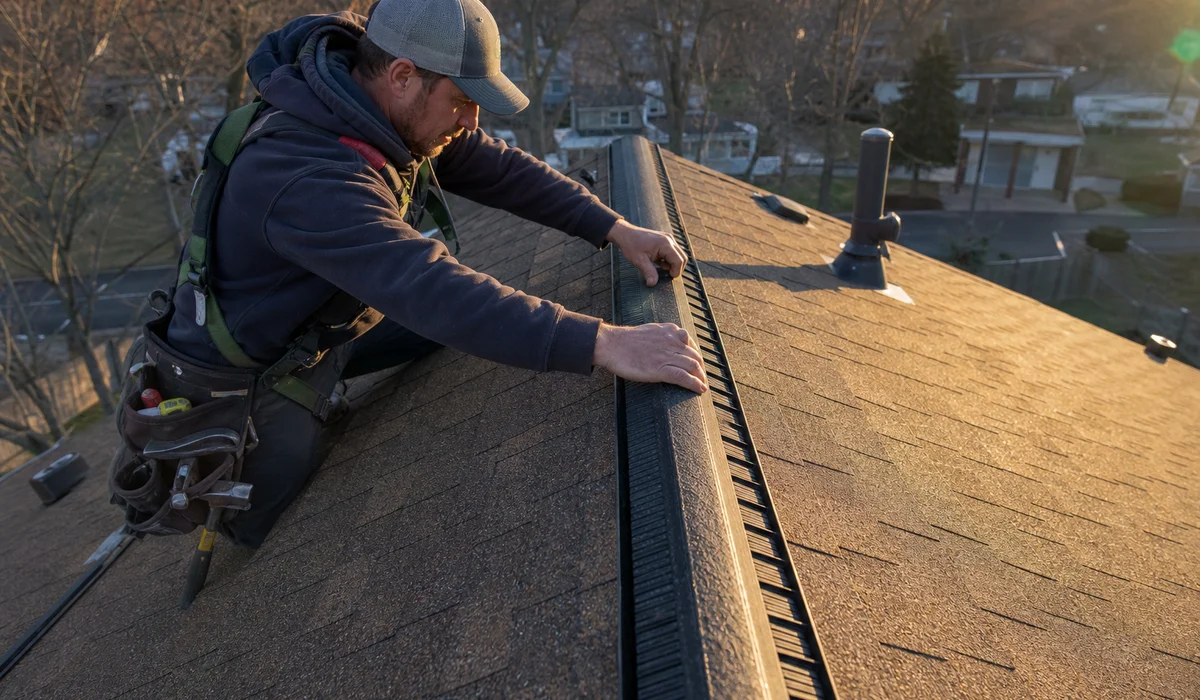
- Add ridge vents, soffit vents, or gable vents where needed
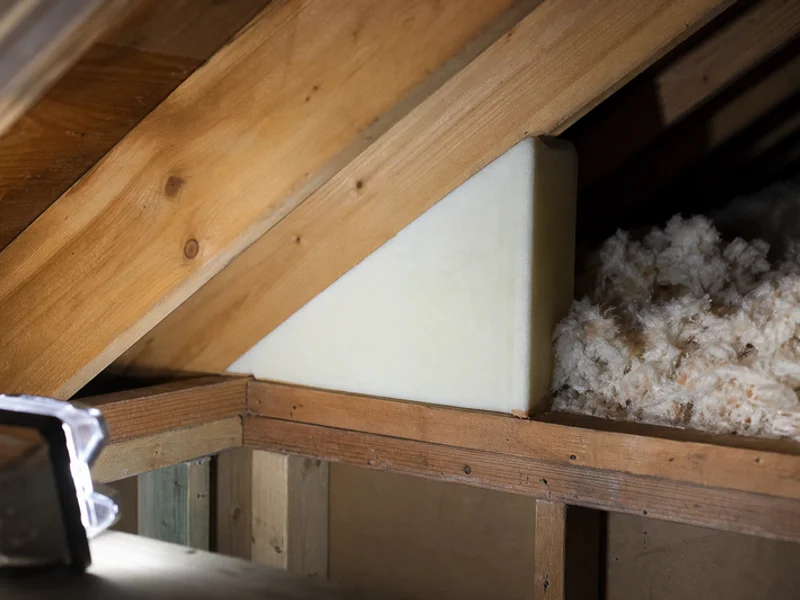
- Install baffles so insulation doesn’t block soffit airflow
- Add ice-and-water shield at eaves, valleys, and around penetrations
- Repair decking, insulation, or interior stains from past ice-dam damage
Balancing Your Airflow for a Colder Deck
Proper circulation ensures your roof sheathing stays close to the freezing outside air temperature. This prevents the snow from turning into dangerous liquid runoff.
We measure your current intake versus exhaust and pinpoint exactly where the imbalance lives. Many older homes lack adequate soffit vents under the eaves, which chokes off fresh air completely.
“Without open soffit vents, your attic acts like an oven, trapping heat and melting rooftop snow at an alarming pace.”
You need those vents open and clear to create a natural updraft.
Our installers will add high-efficiency ridge vents or gable vents exactly where they will make the biggest impact. To protect this new system, the crew installs durable baffles so your thick R-49 attic insulation never accidentally blocks that crucial soffit airflow.
A blocked vent completely ruins the circulation process.
Upgrading Your Defensive Barrier
Airflow alone cannot fix a roof that already suffered structural damage during previous winters. You also need a secondary line of defense for the meltwater that inevitably pools up.
We add a thick, self-sealing ice-and-water shield along all the vulnerable edges, valleys, and roof penetrations. Products like Owens Corning WeatherLock physically hug the nails, stopping any backed-up water from seeping into the wooden decking. This step is critical for long-term protection.
Our team will then carefully repair any compromised decking, replace ruined insulation, and fix those ugly interior ceiling stains from past ice dam damage. Here is a quick look at how the different ventilation components work together:
| Ventilation Component | Location on Roof | Primary Function for Ice Prevention |
|---|---|---|
| Soffit Vents | Underneath the roof eaves | Pulls in freezing outside air to cool the attic floor. |
| Protective Baffles | Inside the lower attic edges | Keeps thick insulation from blocking intake vents. |
| Ridge Vents | Along the very top peak | Allows trapped warm air to exhaust out of the house. |
The winter your roof stops leaking
The first winter after a proper ventilation fix is usually a massive relief for local families. This is exactly when homeowners tell us they finally see zero ice and zero water stains for the first time in years.
We consider that the true goal of this service.
You should not be standing out in the freezing cold chipping ice off your gutters in late February. The smarter approach is simply eliminating the conditions that cause the dam to form in the first place.
Our complete roof ventilation and ice dam repair process gives you real peace of mind. By keeping that warm air inside your living space where it belongs, your home stays comfortable and your roof stays safe.
Stop worrying about the next big snowstorm and start protecting your biggest investment. Contact us today for a full ventilation assessment, and get your house ready for the cold months ahead.