Last updated:
Roof Leak Detection & Repair: Leaks are traced, not guessed
Have you ever stared at a growing water stain on your ceiling and felt a knot in your stomach?
Professional roof leak detection & repair is frustrating when you pay for a patch, only to watch the same drip return after the next storm. We witness this happen all the time, and almost every stubborn leak shares one common trait. Someone previously guessed the wrong spot.
Water rarely enters your house directly above where the ceiling stain appears. It usually runs along the roof deck, jumps over to a rafter, tracks down a nail, and drops out somewhere else entirely.
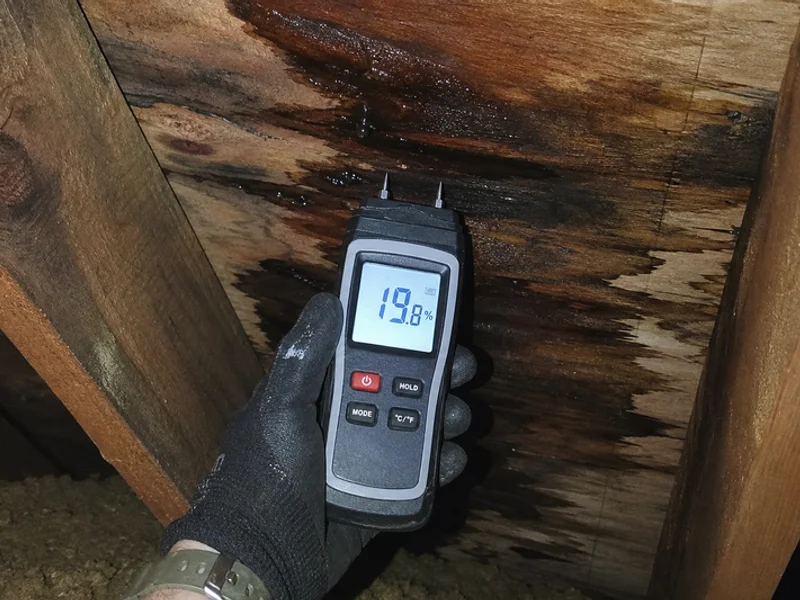
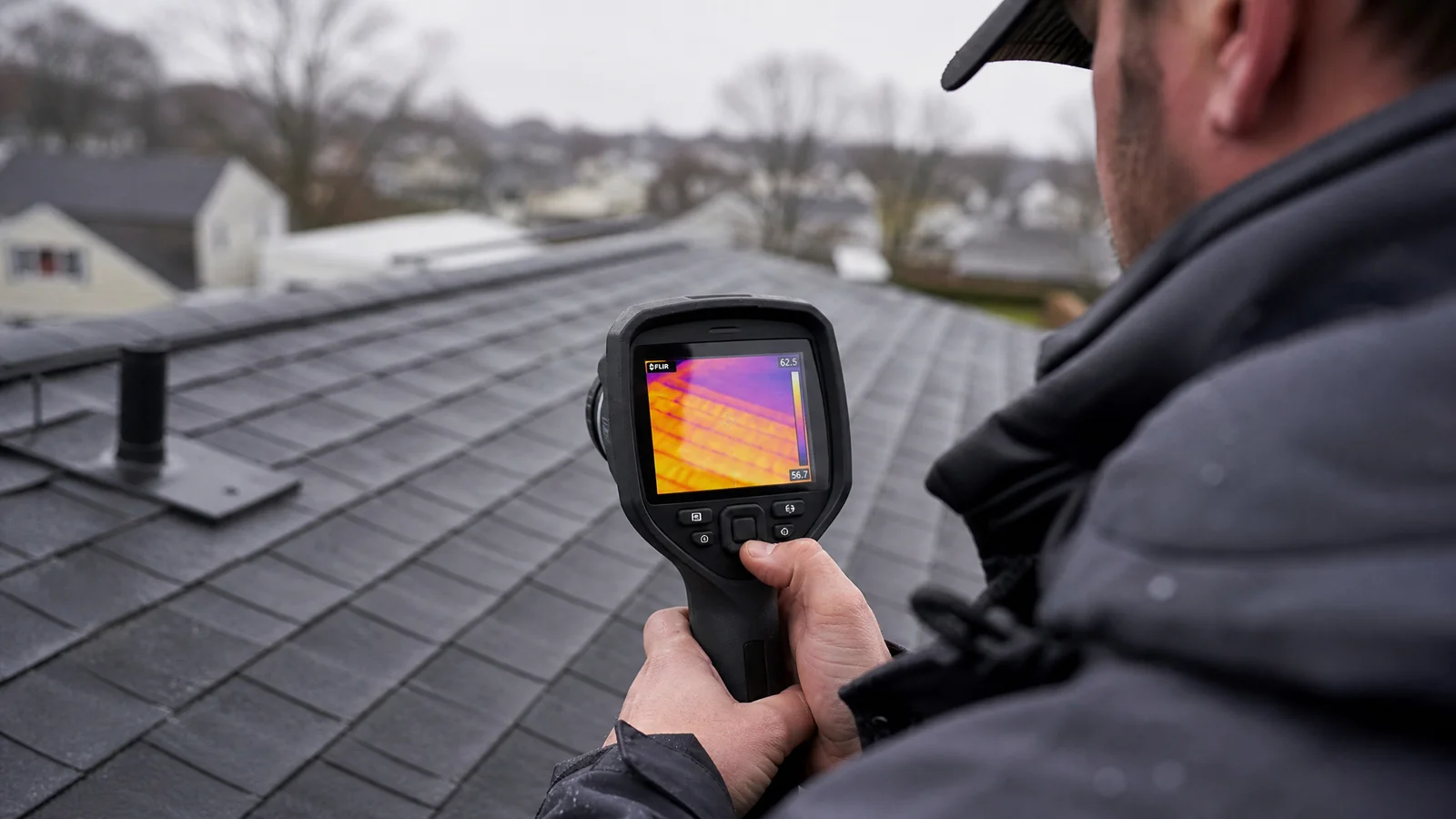
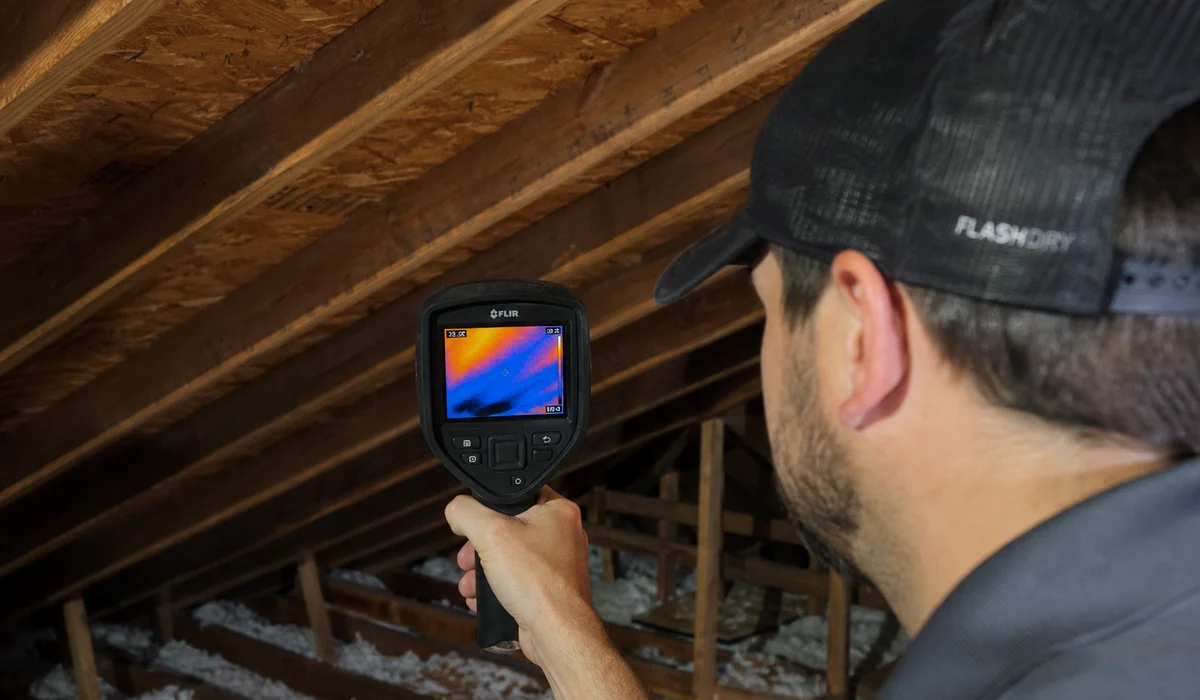
Our team starts at the stain and works backwards to find the actual entry point. Instead of guessing, the crew uses advanced tools like the FLIR ONE Edge Pro thermal camera and the Tramex ME5 moisture meter. We rely on this equipment to track the invisible moisture path without tearing up your drywall.
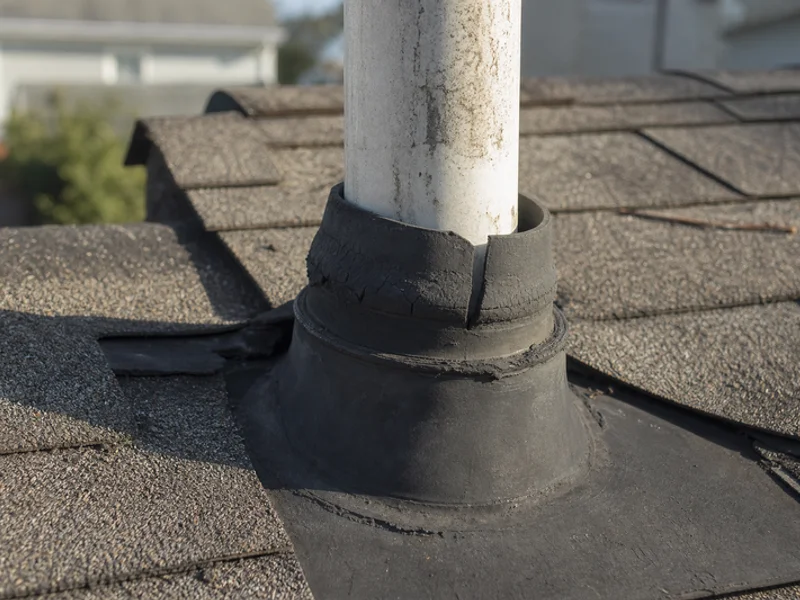
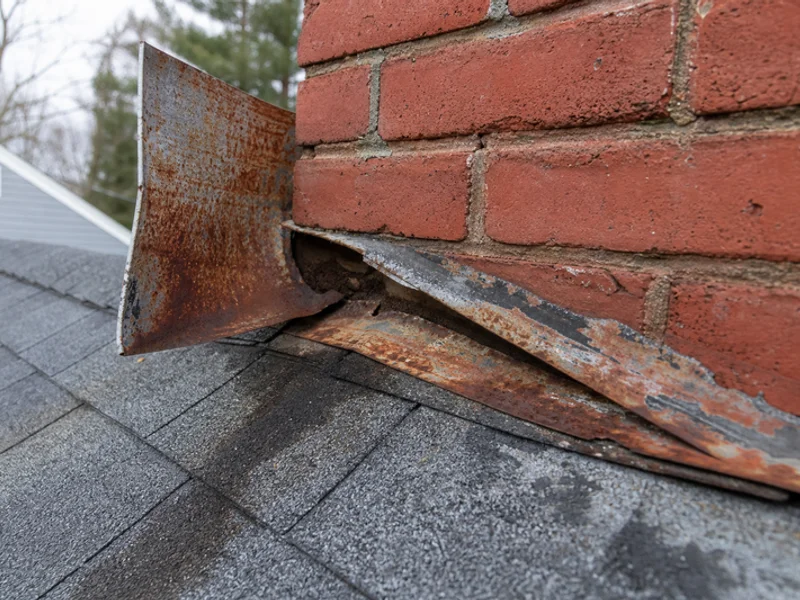
Finding the real failure means you get a permanent repair at the actual source. We fix cracked pipe boots, lifted step flashing at a chimney, clogged valleys, nail pops, and torn shingles. Let’s walk through exactly how to spot these issues before they become major headaches.
Common Causes of Roof Leaks in Newington and Hartford County
Hartford County receives an average of 47 inches of rain and over 50 inches of snow every single year. We observe exactly how this brutal freeze-thaw cycle wears down roofing materials long before their expiration date. Catching these common failures early is the secret to preventing extensive water damage.
Our inspection process checks every single one of these vulnerable areas, rather than just glancing at the obvious spots. Here is the list of issues that usually go wrong on a typical local roof.
- Flashing failures: Step and counter flashing at chimneys, walls, and skylights are the number one cause of stubborn leaks.
- Pipe boots: Rubber gaskets crack around plumbing vents, especially after 10 to 15 years of sun exposure.
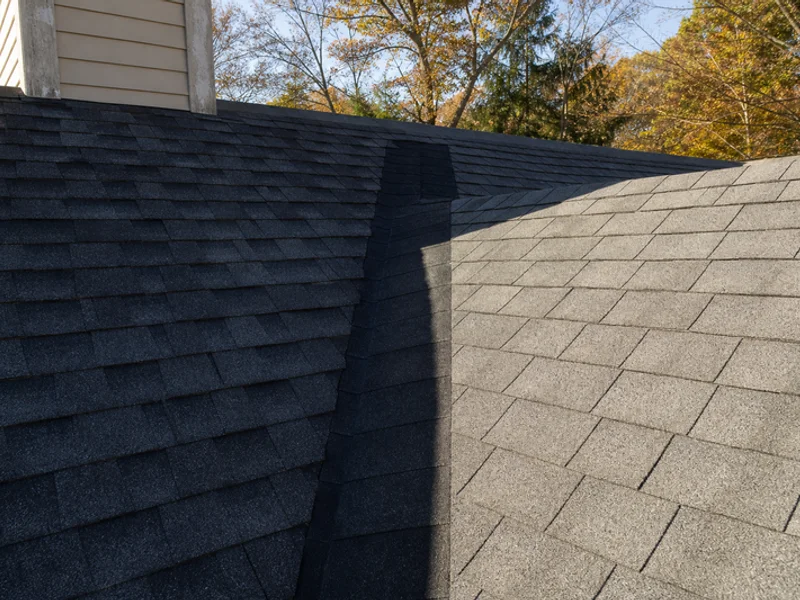
- Valleys: Closed-cut valleys fail when worn shingles or blocked debris force water underneath.
- Missing or torn shingles: Northeast coastal storms cause obvious wind and impact damage.
- Nail pops: Nails backing out over time create tiny pinhole leaks in the decking.
- Skylight seals: Gasket and flashing failures at the perimeter allow slow moisture intrusion.
We make sure to check all of them, instead of just assuming the first crack is the only problem.
Average Lifespan of Vulnerable Roof Parts in Connecticut
Knowing when materials expire helps you plan for maintenance before a sudden storm hits. We put together this quick comparison table based on recent 2026 local repair data. The timeline gives you a realistic idea of when to schedule a proactive inspection.
| Roof Component | Typical CT Lifespan | Common Failure Reason |
|---|---|---|
| Rubber Pipe Boots | 10 to 15 years | Sun damage cracks the rubber gasket. |
| Chimney Flashing Sealant | 5 to 10 years | Freeze-thaw cycles break the seal. |
| Architectural Shingles | 20 to 30 years | High winds and severe storms. |
| Skylight Gaskets | 15 to 20 years | Perimeter seal dries out over time. |
Guaranteed leak-free repair
A reliable contractor should stand behind their work completely. We back all of our repair services with a strict, leak-free workmanship warranty. If the water comes back through the exact same failure point, the return visit costs you nothing.
Our crew comes back and fixes the issue immediately. That simple promise is exactly how repair work should be done. When you invest in professional roof leak detection & repair, you deserve absolute peace of mind. Give us a call today to schedule your inspection.