How to Prevent Ice Dams This Winter
Prevent ice dams with better attic insulation, balanced ventilation, ice-and-water shield, and gutter care. A CT homeowner's winter roof guide.
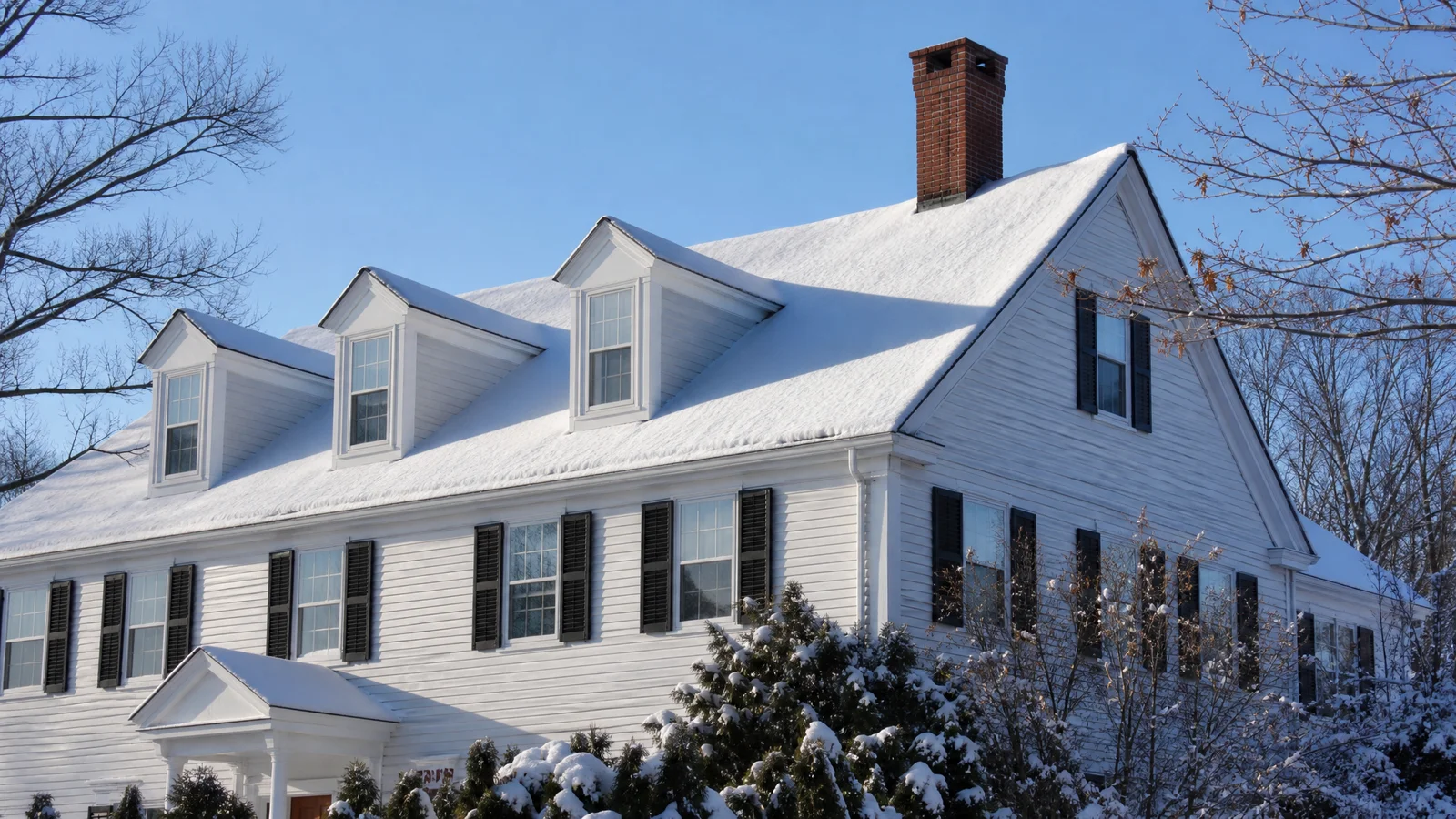
We constantly see the aftermath of brutal winter weather as a professional service team. Many property owners assume freezing temperatures cause roof ice buildup. The reality is quite different.
Our crews spend every January fixing leaks that could have been completely avoided. Ice dams form because of a warm attic, not because of cold weather.
We will break down exactly how this mechanism works. This guide covers the practical steps needed for proper ice dam prevention Connecticut properties require. Here is what actually stops them.
The mechanism
We track roof temperatures during winter storms to understand exactly how these blockages develop. A combination of indoor heat and accumulated snow creates the perfect storm for moisture damage. The process follows a very specific sequence.
- Attic heat rises: Indoor warmth escapes through the ceiling and reaches the underside of the roof deck.
- The deck warms up: The upper roof deck reaches temperatures above 32°F, even when outside air is freezing.
- Snow melts: Snow on the warm upper section turns into liquid meltwater.
- Water runs down: This meltwater flows down the slope of your roof.
- The freeze point: Water hits the cold overhang or eaves, which sit outside the heated indoor envelope.
- Ice builds up: The water refreezes instantly, creating a solid dam of ice.
- Water backs up: More meltwater arrives, can’t drain over the frozen barrier, backs up under your shingles, and finds a path into your ceiling.
Our repair data shows that ignoring this process often leads to severe consequences. The average cost for professional water damage restoration now hovers around $3,000 for a single affected room. Fixing the attic warmth directly stops the ice dam and protects your investment.
The four levers of ice dam prevention Connecticut experts recommend
We approach roof protection by focusing on four critical areas of the building envelope. Mastering these elements stops the freeze and thaw cycle entirely. Each component plays a specific role in keeping your roof deck consistently cold.
Air sealing and gap closure
Our technicians always check for indoor air leaking through ceiling gaps first. This warm air escapes through recessed lights, ductwork penetrations, plumbing vents, chimney chases, and attic access hatches. Sealing these bypasses with expanding foam prevents heated air from reaching the wood deck.
We use polyurethane spray foams to create an airtight barrier around these common leak points. A tightly sealed ceiling reduces energy loss by up to 30 percent. This simple step drastically cuts down the heat transfer responsible for melting snow.
Proper insulation depth
Our insulation upgrades focus on slowing down heat conduction after the air leaks are sealed. The 2026 Connecticut state building code now requires an R-value of R-60 in residential ceilings and attics. Older homes often have R-19 to R-30, leaving them significantly under-insulated and prone to winter issues.
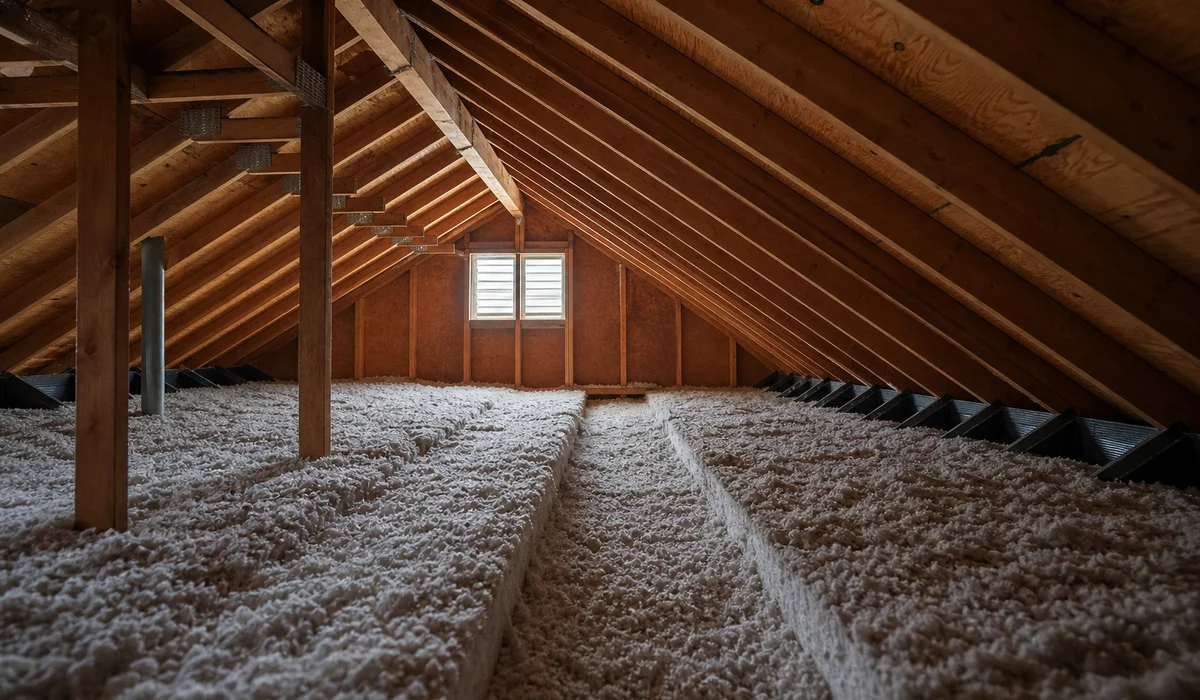
We regularly see homes lose thousands of dollars in heat because of inadequate fiberglass batts. Upgrading to a depth of 16 to 18 inches of blown-in cellulose meets the modern R-60 standard. This thick blanket keeps the living space warm and the attic freezing.
Balanced ventilation systems
We rely on balanced ventilation to keep outside air moving actively under the roof deck. A proper mix of intake and exhaust keeps the entire surface cold and prevents the melt cycle. Connecticut building standards recommend a 1:150 ventilation ratio to achieve this continuous airflow.
Our installers carefully balance ridge vents with soffit vents to create a natural draft. Unbalanced systems with too much exhaust or inadequate intake actively hurt your home by pulling conditioned air out of the living space. Maintaining that exact 1:150 ratio is mandatory for a dry winter.
Strategic ice-and-water shield
We install a heavy-duty rubberized membrane under the shingles at eaves and valleys as a final defense. This self-adhering polymer-modified bitumen sheet provides a secondary water barrier if ice does manage to form. Connecticut code mandates this barrier on all new roofs, requiring it to extend 24 inches inside the exterior wall line.
Our standard practice often pushes this membrane a full 36 inches up the slope for extra security. Water can’t penetrate this sticky barrier even if it backs up under the primary shingles. This layer saves ceilings from total ruin during sudden January deep freezes.
What we can add
We offer several specific upgrades to fortify your home against winter weather. These targeted improvements address the root causes of poor attic performance. Upgrading specific components is much more effective than temporary surface fixes.
We utilize specific, high-grade materials to ensure permanent results. The right products transform a vulnerable roof into a weather-resistant system. Review the exact additions available for your property.
| Upgrade Type | Specific Material/Component | Primary Benefit |
|---|---|---|
| Baffles | Rigid SmartBaffle plastic chutes | Keeps insulation from blocking soffit airflow. Fast to install. |
| Ridge vent | GAF Cobra continuous exhaust | Runs along the roof peak to balance perfectly with soffit intake. |
| Additional soffits | Aluminum perforated intake vents | Replaces under-vented panels or those that have been painted shut. |
| Air sealing | Polyurethane foam and silicone caulk | Seals attic-side ceiling penetrations permanently. |
| Blown-in insulation | High-density cellulose or fiberglass | Brings depth up to the current R-60 building code. |
| Shield retrofit | Polymer-modified bitumen membrane | Done during full replacement to extend coverage past code minimums. |
What we can’t do (well)
We want to be completely transparent about the limits of professional roofing maintenance. Certain common practices do more harm than good for your property. A few underlying architectural flaws require massive renovations rather than quick repairs.
- Melt ice with harsh chemicals or tools: Smashing ice with a hammer destroys fiberglass shingles instantly. Calcium chloride salt pucks also corrode aluminum gutters and void manufacturer warranties.
- Fix closed-cavity insulation blindly: Contractors can’t solve severe insulation deficits in vaulted ceilings without opening the interior drywall.
- Override a fundamentally flawed envelope: No team can guarantee zero ice buildup during extreme sub-zero cold snaps if the home lacks basic structural weatherproofing.
Our goal is to provide permanent solutions rather than risky surface patches. Professional low-pressure steam machines remain the only safe way to remove existing ice. This specialized steam equipment cuts through blocks without tearing off the mineral granules on your shingles.
What you can do now
We encourage property owners to take proactive steps before the heavy snow arrives. Simple maintenance tasks drastically lower the risk of water damage. Immediate action protects your interior spaces from sudden leaks.
- Clear your gutters: Clean out fall leaves and debris so any meltwater can drain freely away from the fascia boards.
- Use a telescoping roof rake safely: Pull snow down gently from the lower four feet of the roof while standing on the ground. Never climb a ladder in icy conditions.
- Leave the ice alone: Never chip away at frozen blocks with shovels or axes. You’ll accidentally tear holes directly through the waterproof underlayment.
- Seal accessible attic gaps: Apply expanding foam around easily reachable plumbing vents or wire holes in the attic floor.
Our recommended roof rakes feature soft plastic rollers that keep the aluminum blade safely above the shingles. Removing just the bottom edge of snow eliminates the primary feed water that creates the dam. This simple chore is highly effective and completely free.
When to call
We strongly recommend booking an inspection if you notice any warning signs of poor ventilation. Ignoring early symptoms usually results in expensive interior drywall repairs by spring. Early intervention saves property owners thousands of dollars in restoration fees.
- You experienced issues last winter: History repeats itself, and a roof that formed blocks last year will certainly do it again.
- Your attic feels warm: The space should feel almost as freezing as the outdoor temperature during winter months.
- Water damage is visible: Brown interior ceiling stains or peeling paint mean water is already defeating your shingles.
- Your roof is aging: A scheduled roof replacement is the perfect time to install a continuous 36-inch ice-and-water shield and proper ridge vents.
Our team is ready to evaluate your building envelope and ventilation performance. Providing the exact ice dam prevention Connecticut properties need to stay dry is what we do best. See our ventilation and ice dam repair service or request a fall assessment before winter hits.
Frequently Asked Questions
Do roof rakes help? ▼
Clearing snow from the lower roof reduces the meltwater feeding ice dams, but it treats the symptom, not the cause. Useful in an active problem, not a permanent solution.
Is ice-and-water shield required? ▼
CT code requires it at eaves and valleys on new roofs. On older roofs without it, adding coverage during the next replacement is your strongest long-term defense.
How much does ice dam prevention cost? ▼
Ventilation and insulation upgrades run $500–$3,000 depending on scope. Full ice-and-water shield retrofit typically only happens during a full roof replacement.
Ready to talk to a roofer?
Read about our roof ventilation & ice dam repair service or get a free estimate.
Related Guides
Ridge Vents vs. Soffit Vents: How Roof Ventilation Works
Ridge and soffit vents work together as exhaust and intake. Learn how balanced roof ventilation protects your shingles and when each is added.
Signs of Poor Roof Ventilation (and Why It Matters)
A hot attic, moisture, mold, and premature shingle aging all signal poor roof ventilation — which can void warranties. Learn the warning signs.