When a Roof Leak Is an Emergency
Not every roof leak needs a midnight call — but some do. Learn the signs of an emergency leak: active water, structural risk, and electrical hazards.
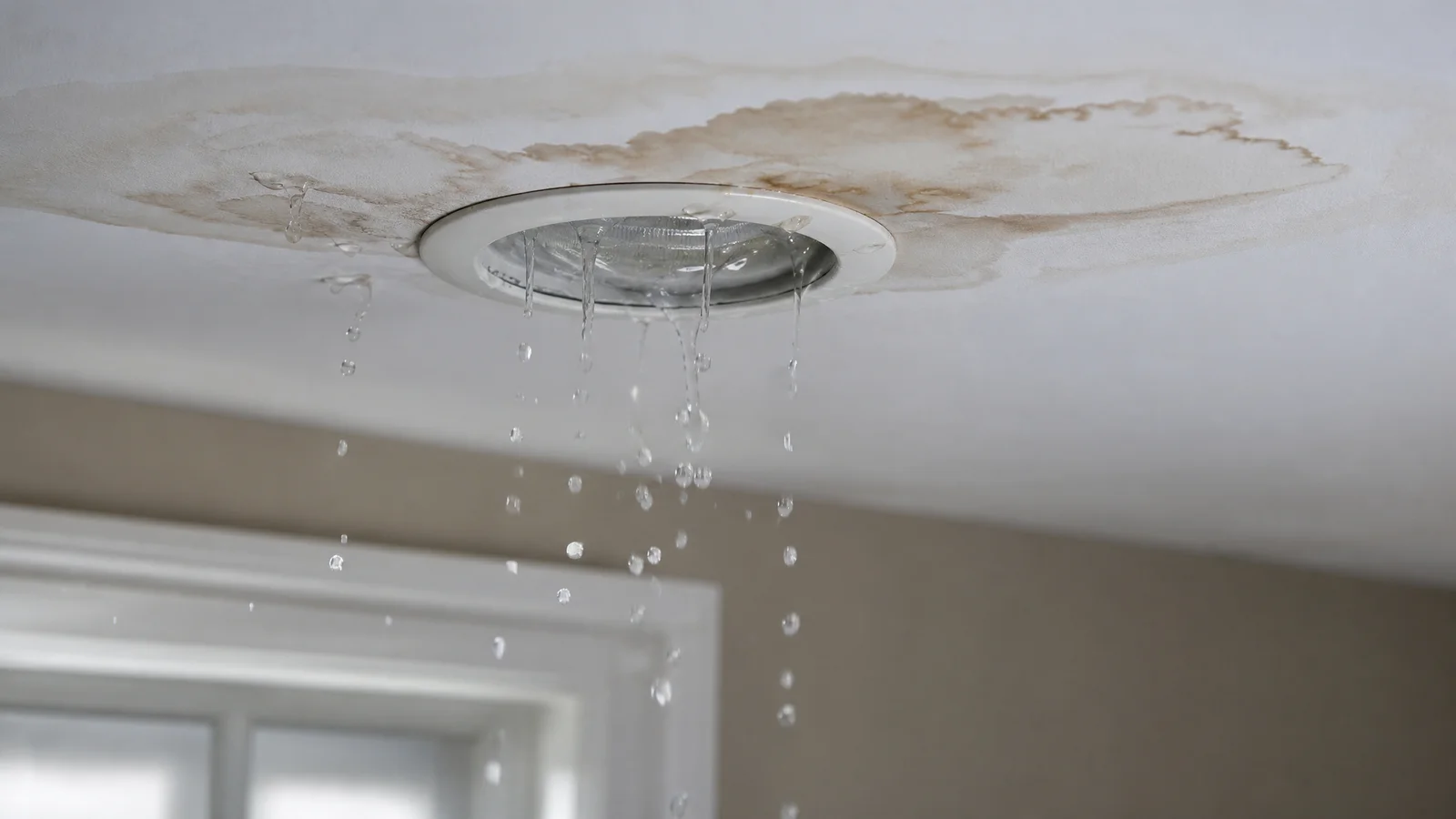
Some roof leaks are inconvenient, but a few are dangerous structural hazards.
We see property owners struggle to decide, often asking, “is my roof leak an emergency?” when a midnight drip appears. That hesitation usually stems from a lack of clear guidelines on what actually constitutes a structural or electrical threat.
From what we have experienced, the difference between a minor temporary fix and a massive interior restoration often comes down to acting within the first 24 hours.
Let’s look at the data, what it is actually telling us, and explore a few practical ways to respond based on the severity of your roof leak emergency.
Clear emergency, call now
If water is actively threatening the safety of your building or its occupants, it requires immediate professional intervention. These situations demand a rapid response to prevent catastrophic property loss.
Water Intrusion and Electrical Threats
- Water pouring in, not dripping: Active flowing water means the roof envelope is significantly compromised, saturating porous materials minute by minute. Our initial priority is always to contain the flow before the water spreads to unaffected rooms. Fast containment limits the destruction of your drywall and flooring.
- Water near or through a light fixture, outlet, or ceiling fan: Moisture reaching your electrical panel or wiring creates a severe fire hazard. Shut off that specific circuit at the main breaker immediately to prevent a short circuit. Do not touch the wet fixture, and call for a rapid emergency response.
Structural Failure and Impact Damage
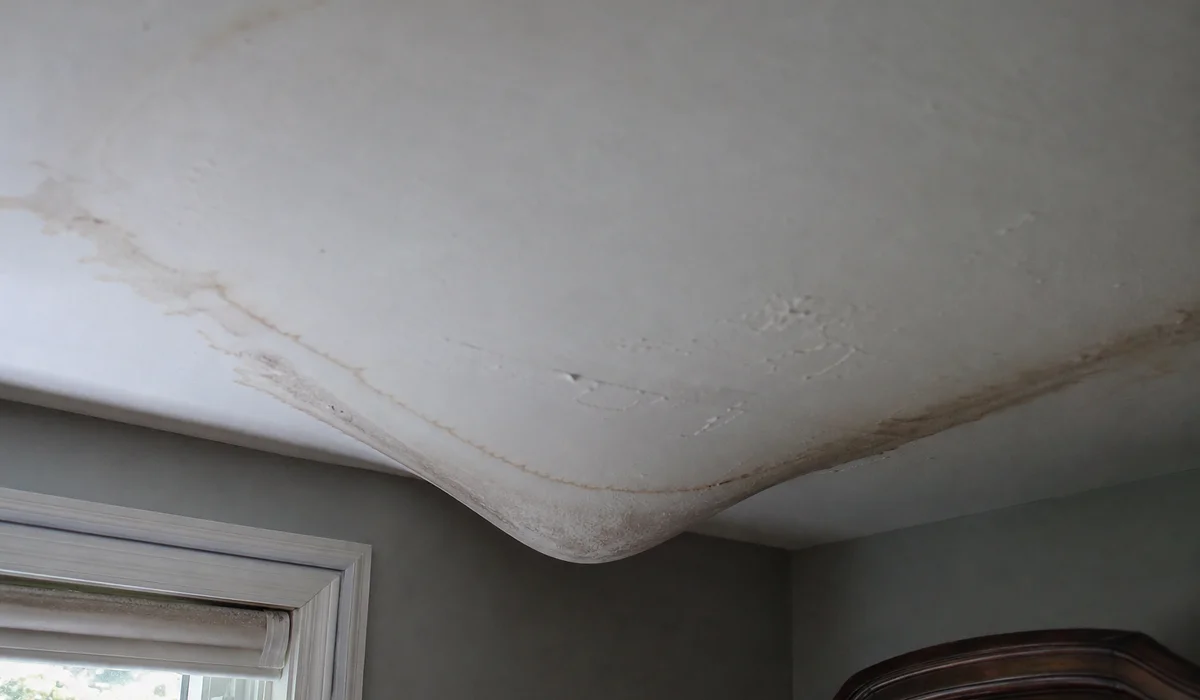
- Sagging or bulging ceiling: When water pools above, the drywall loses its strength and sags under the immense weight, creating a real danger of ceiling collapse. Safely puncture the bulge in a controlled way with a long object to release the pressure into a bucket. CWF Restoration data from 2026 indicates that if a structural beam fails due to water weight, repairs can soar between $1,500 and $10,000.
- Visible structural damage or fallen trees: Broken rafters, cracked ceiling framing, or major impact damage from a tree means the roof is completely compromised. Even if no active leak is visible yet, emergency response prevents a wet interior when the next shower hits. The Occupational Safety and Health Administration (OSHA) specifically warns against attempting to tarp a roof yourself during active wind or rain due to high fall risks.
- Missing sections of roof: If wind has completely exposed your underlayment or decking, professional tarping needs to happen immediately.
Definitely a problem, call for same-day or next-morning
A leak that is contained but actively dripping still poses a serious threat to your home’s interior. You need to schedule an inspection as soon as possible to stop the moisture from spreading.
Manageable Drips and Fresh Stains
- Steady drip you can catch in a bucket: Water is coming in, but it is moving at a manageable pace. This is not an overnight crisis, but it absolutely requires a next-day fix. The U.S. Environmental Protection Agency (EPA) warns that mold can begin to grow on damp insulation and drywall within 24 to 48 hours of initial water exposure.
- Water stain that appeared or spread today: A dark, spreading ring on your ceiling means moisture is actively pooling above the drywall. We highly recommend marking the edge of the stain with a pencil to track if it continues to grow before the crew arrives. This simple trick provides great diagnostic information for the repair team.
Visible Roof and Attic Damage
- Attic water source you can see: You can physically locate the leak point inside the attic space, which means repairs can be scheduled quickly. Keep an eye on wet cellulose insulation, as it can hold moisture against wooden joists and accelerate wood rot.
- Damaged shingles visible from the ground after a storm: You might not have an active leak just yet, but the next heavy rain will easily find that new opening. Getting a professional out the next morning prevents the inevitable water intrusion.
Not an emergency, can wait for regular scheduling
Some roofing issues look concerning but do not require paying a premium for a midnight dispatch. Scheduling these repairs during regular business hours is the most cost-effective approach.
| Service Type | Average Cost (2026) | Response Time |
|---|---|---|
| Standard Scheduled Repair | $150 - $300 (minor fix) | 2 to 5 days |
| Emergency Dispatch | 25% to 40% Premium | Immediate (24/7) |
- Old stain, not currently active: The ceiling shows a history of a leak, but nothing is happening right now. The area is completely dry to the touch.
- Small stain that only appears in heavy rain: This is a consistent minor issue that dries fully between weather events, making it a priority but not a midnight emergency. Our standard scheduling can easily handle this type of intermittent problem. Booking during regular hours avoids the 25% to 40% premium usually charged for after-hours emergency dispatches.
- Cosmetic-only damage: You noticed a missing asphalt tab, but there is no leak inside the house. The underlayment is likely still protecting the roof deck.
- One damaged shingle in dry weather: If there is no rain in the local forecast for the next week, a single cracked shingle can wait a few days.
What a “roof leak emergency” actually gets you
Calling for an emergency dispatch triggers a fast, temporary mitigation process rather than a full permanent installation. The primary goal is to stabilize the property and stop the immediate destruction.
We deploy specialized teams equipped with the right tools to secure your home. A rapid response visit typically includes:
- Emergency Tarping: Installation of heavy-duty woven polyethylene tarps to securely cover the breached area and block additional rain.
- Interior Guidance: Immediate advice on how to protect your valuables and minimize indoor water spread.
- Insurance Documentation: Clear photos of the fresh damage and itemized quotes that insurance adjusters require for rapid claim processing.
The rest of the permanent repair work then happens on a normal schedule after the immediate crisis completely passes.
What to do while you wait for the crew
Taking the right steps before the repair team arrives keeps everyone safe and minimizes property loss. Follow these safety protocols to manage the situation effectively.
- Move people and pets out of the affected area: A saturated ceiling can collapse without any warning. Keep everyone far away from the sagging drywall.
- Shut off electrical circuits near water: Flip the specific breakers for any rooms where water is actively dripping near lights or wall outlets.
- Move furniture and valuables away from active drips: Clear out electronics, area rugs, and irreplaceable items. Our crews often see major furniture ruined simply because it was not shifted a few feet over. Cover large pieces with plastic drop cloths if they are too heavy to move.
- Catch water in buckets and funnel it: Place buckets under the active drips. You can also pin a large piece of plastic sheeting to the ceiling with a small hole in the center to funnel widespread drips into a single container.
- Document the damage and timeline: Take photos and video of the active dripping and pooled water before you start cleaning up. Insurance adjusters need a precise timeline, so note the exact time you first spotted the intrusion.
- Do NOT go up on the roof: Walking on a slick, damaged roof in the middle of a storm is incredibly dangerous and should only be handled by trained professionals with fall-arrest gear.
Time is water damage
Every single hour of active water intrusion multiplies your eventual repair costs. Ceiling drywall replacement, fresh cellulose insulation, new paint, and warped flooring repairs add up incredibly fast.
Recent 2026 data highlights that standard water damage remediation for a home often ranges from $1,400 to $6,300, depending on the severity of the spread. Emergency tarping, which typically costs between $400 and $700 on average, is a small price to pay to prevent thousands of dollars in deep interior destruction. Ignoring an urgent roof leak is simply not worth the financial risk.
For active emergencies, see our emergency roof repair service or call our 24/7 line now.
Frequently Asked Questions
Is water near a light fixture dangerous? ▼
Yes. Shut off that circuit at the breaker immediately — it's a shock and fire hazard. Then call for emergency response. Do not touch the fixture.
Can a small drip wait until morning? ▼
A slow drip you can catch in a bucket with no rain in the immediate forecast can usually wait until business hours. Active flowing water cannot.
What if I don't know how urgent it is? ▼
Call anyway. Our 24/7 line will tell you honestly whether to dispatch now or schedule for morning, and how to protect the interior in the meantime.
Ready to talk to a roofer?
Read about our emergency roof repair service or get a free estimate.
Related Guides
Emergency Roof Repair Cost and Response Times
What does emergency roof repair cost, and how fast can a roofer arrive? See the cost drivers and typical response window across Hartford County.
What Emergency Roof Repair Covers
Emergency roof repair means fast tarping, temporary patches, and damage containment — followed by a permanent fix. Here's what to expect.