Full Tear-Off vs. Roof-Over: What's the Difference?
Should you tear off or roof over? Learn the code and warranty implications and why full tear-off is usually the right call in Connecticut.
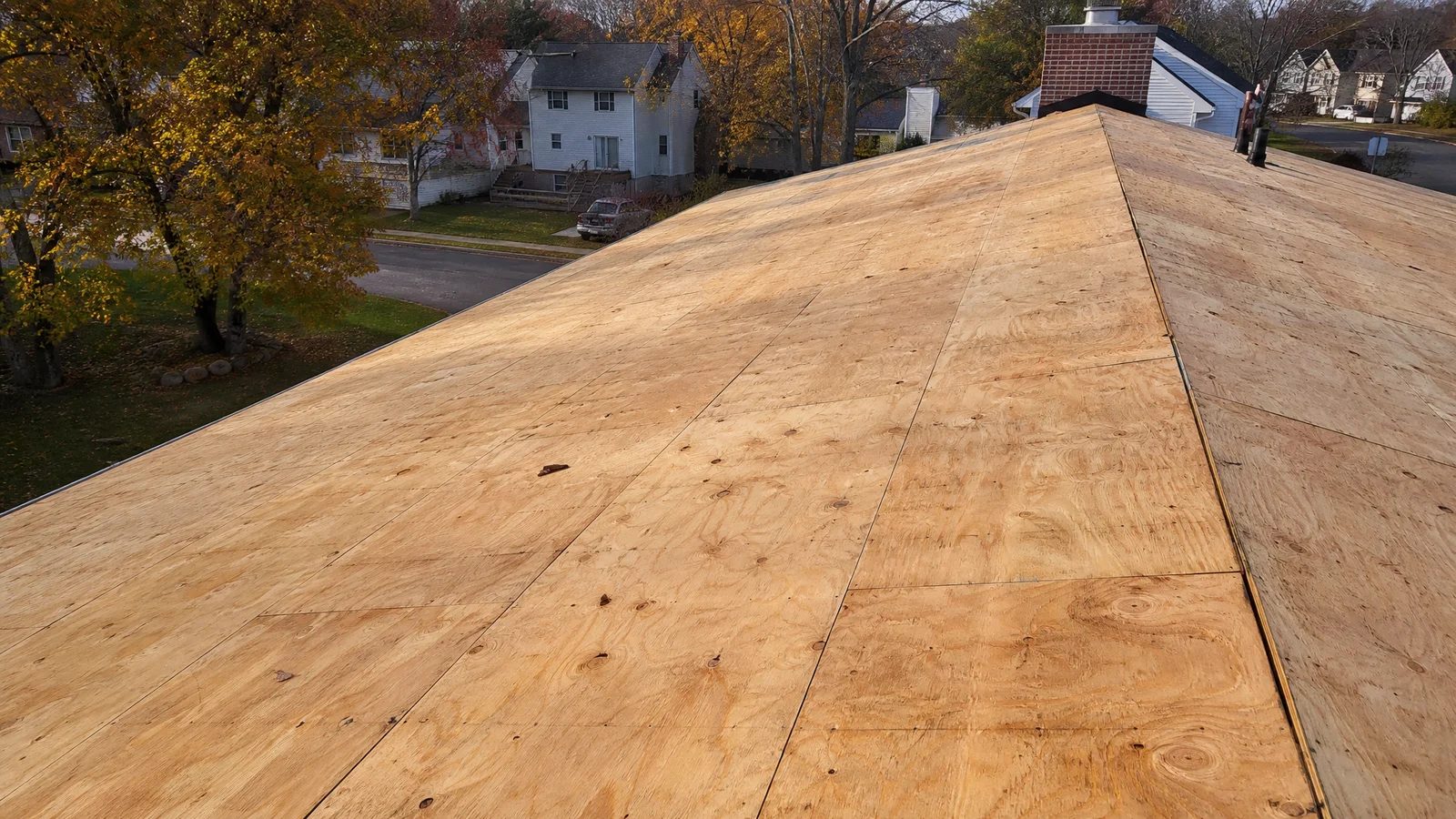
We know the temptation to just add another layer of shingles when replacement time rolls around. The debate of a roof tear off vs roof over is often the biggest friction point in any roofing project.
Our team gets asked about this constantly by property owners looking to save a few bucks upfront.
A close look at building codes and structural loads reveals why the quick fix is rarely the smart fix. We prefer to focus on real-world data to help you understand the true cost of layering shingles.
The long-term durability of your property depends on making the right call right now. Our goal is to walk you through the exact reasons why a complete tear-off makes the most sense.
What a full tear-off is
Every existing shingle comes off so the new roof system gets built entirely from scratch. Our crews remove the old underlayment to perform a full decking inspection before installing a new synthetic moisture barrier, ice-and-water shield, drip edge, starter course, and field shingles.
Premium underlayments like GAF Deck-Armor or Owens Corning Deck Defense provide a superior vapor barrier compared to older felt paper. We strictly use these high-end materials because they require a clean, bare deck to breathe properly and prevent trapped condensation.
Proper attic ventilation is another major factor that demands a stripped deck. Our team relies on a complete tear-off to verify your intake and exhaust vents meet modern safety standards.
The International Residential Code (IRC), adopted by Connecticut, heavily emphasizes these tight building envelopes.
Advantages of a complete tear-off include:
- Decking inspection: You can see rotted wood and fix it before it becomes a structural hazard.
- Fresh underlayment: A complete new water barrier goes down directly on the wood.
- CT code compliance: Ice-and-water shield goes in per code right at the eaves.
- Warranty coverage: Manufacturer warranties assume a tear-off for full protection.
- Proper flashing: Old flashing gets replaced or properly resealed against the bare roof deck.
What a roof-over is
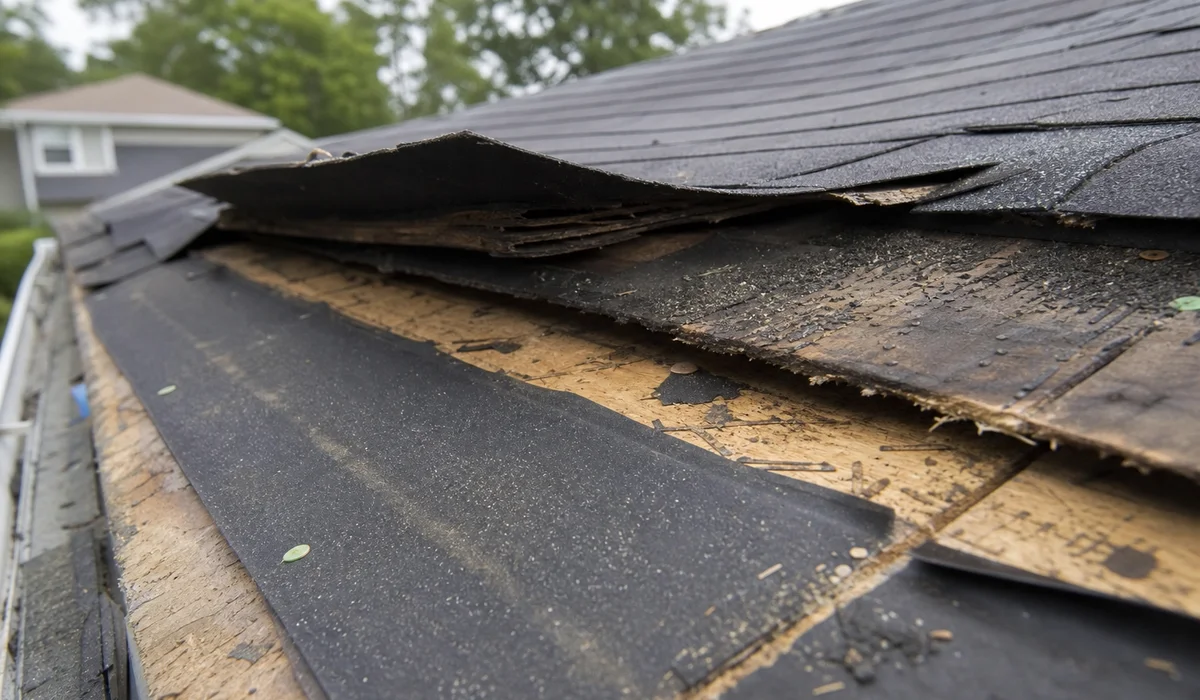
Existing shingles stay on, and new shingles get installed directly over them. Our clients sometimes find this tempting because it skips the immediate cost of disposal. The reality is that covering up old problems almost always creates expensive new ones.
We see major issues arise when you layer heavy new materials over failing older ones. Architectural shingles weigh between 200 and 300 pounds per square. Our calculations show that adding a second layer puts an extra 4,000 to 6,000 pounds of dead weight onto a typical 20-square home.
The harsh realities of layering include:
- You cannot inspect the decking: Any rot, soft spots, or moisture damage stays hidden until it fails completely.
- Two layers means double the weight: This extra load can easily exceed your structural capacity.
- Warranty problems: Top-tier programs like the GAF Golden Pledge or Owens Corning Platinum Protection instantly void warranty coverage on layered installations.
- Poor flashing detail: New flashing has to work around old, uneven shingles, creating a high risk for water intrusion.
- Uneven surface: New shingles will telegraph the wavy wear pattern of the old ones underneath.
- Shorter lifespan: Layered roofs typically fail 5 to 10 years earlier than tear-off installations because they trap excess heat.
CT code and layer limits
Connecticut building code strictly follows the IBC and IRC, which caps residential roofs at two total layers. Our local inspectors are very strict about enforcing this rule to protect building integrity. Practically, this means you must know exactly what is already on your roof before starting.
We always verify the current layer count during our initial inspection to keep your project compliant. Heavy Connecticut winters require homes to support snow loads of 30 to 40 pounds per square foot. Our priority is making sure a layered roof does not compromise that critical structural safety margin.
Code guidelines mean:
- If your roof has one existing layer, a roof-over is technically allowed by the state.
- If it has two layers already, a complete tear-off is mandatory for the third.
- Some jurisdictions cap the limit at one layer, requiring a tear-off for any replacement.
Your local Newington or Hartford County building department can confirm the specific rules for your street. We pull the necessary permits and guarantee compliance with local codes either way.
Cost difference
When comparing a roof over vs tear off, an overlay saves roughly 15 to 20 percent upfront by skipping labor, dumpster fees, and disposal costs. Our team estimates that skipping the 20-yard dumpster rental alone saves around $600 to $800 in Connecticut right now.
That upfront discount vanishes quickly when the new roof needs a full replacement 5 to 10 years sooner than expected. We have seen property owners lose thousands when an insurance company denies a claim because of an unauthorized second layer.
A hidden decking failure that could not be seen during a roof-over easily ends up costing $3,000 to $5,000 in emergency repair work. Our crews highly recommend investing the extra money upfront to avoid these massive back-end expenses.
| Cost Factor | Tear-Off Installation | Roof-Over Installation |
|---|---|---|
| Dumpster & Disposal | $600 - $800 avg. cost | $0 |
| Labor Time | 1-2 Extra Days | Faster Completion |
| Premium Warranty | Fully Eligible | Voided or Denied |
| Hidden Rot Risk | Zero (Repaired upfront) | High ($3,000+ emergency cost) |
When we’d consider roof-over
There are only a few highly specific scenarios where this method makes any financial sense. Our roofers might approve an overlay for a property you are selling in the next 12 months, provided the buyer agrees to the condition.
Bank-owned or rental properties with a very short expected holding life could also qualify for a second layer. We prefer to use basic 3-tab asphalt shingles in these rare cases to keep the added weight as low as possible.
Specific exceptions include:
- Impending property sale: The buyer must explicitly accept the layered roof in the disclosures.
- Short-term holding properties: The owner plans to gut or demolish the building within a few years anyway.
- Genuine budget emergencies: Severe constraints leave the owner choosing between a roof-over or massive active water damage.
When facing the reroof vs replace decision for a primary residence you will live in for more than five years, the data points clearly away from an overlay. We refuse to recommend cutting corners on a home meant to protect your family for decades.
Some local contractors will happily offer an overlay, but you must ask them exactly what manufacturer warranty you are actually getting. Our team is ready to help you plan a replacement the right way. If you’re planning a replacement, read the full tear-off replacement process or get an honest estimate.
Frequently Asked Questions
Is a roof-over cheaper? ▼
Upfront yes — you save on tear-off labor and dumpster costs. But it hides decking problems, can shorten roof life, and voids most manufacturer warranties. Cheaper today, more expensive over 20 years.
Does CT code limit roof layers? ▼
Most Connecticut jurisdictions cap the total shingle layers at two. If you're already at two layers, a third requires a full tear-off. Your local building department confirms.
Are there any situations where roof-over makes sense? ▼
Rarely. Very short-term hold properties or genuine budget emergencies where the alternative is nothing. For a home you plan to live in, tear-off is almost always the right call.
Ready to talk to a roofer?
Read about our roof replacement service or get a free estimate.
Related Guides
Architectural vs. Designer Shingles: Which to Choose
Compare architectural and designer shingles on look, cost, warranty, wind resistance, and resale value to pick the right upgrade for your CT roof.
Best Time of Year to Replace a Roof in Connecticut
Fall, spring, or winter? See the seasonal tradeoffs for replacing a roof in Connecticut and why waiting can risk winter leaks and ice dams.
How Long Does a Roof Replacement Take?
Most Newington roof replacements finish in 1–2 days. See how size, complexity, and CT weather affect your timeline — and when single-day is possible.
Roof Replacement Cost in Connecticut
A full Connecticut roof replacement cost breakdown: material pricing, tear-off and disposal, permits, and financing — with real CT price ranges.